Mission with SAGE
Born from personal experience, years of meaningful volunteering, and a deep belief that technology should support seniors, preserve dignity and connection.
Rooted in Personal Experience
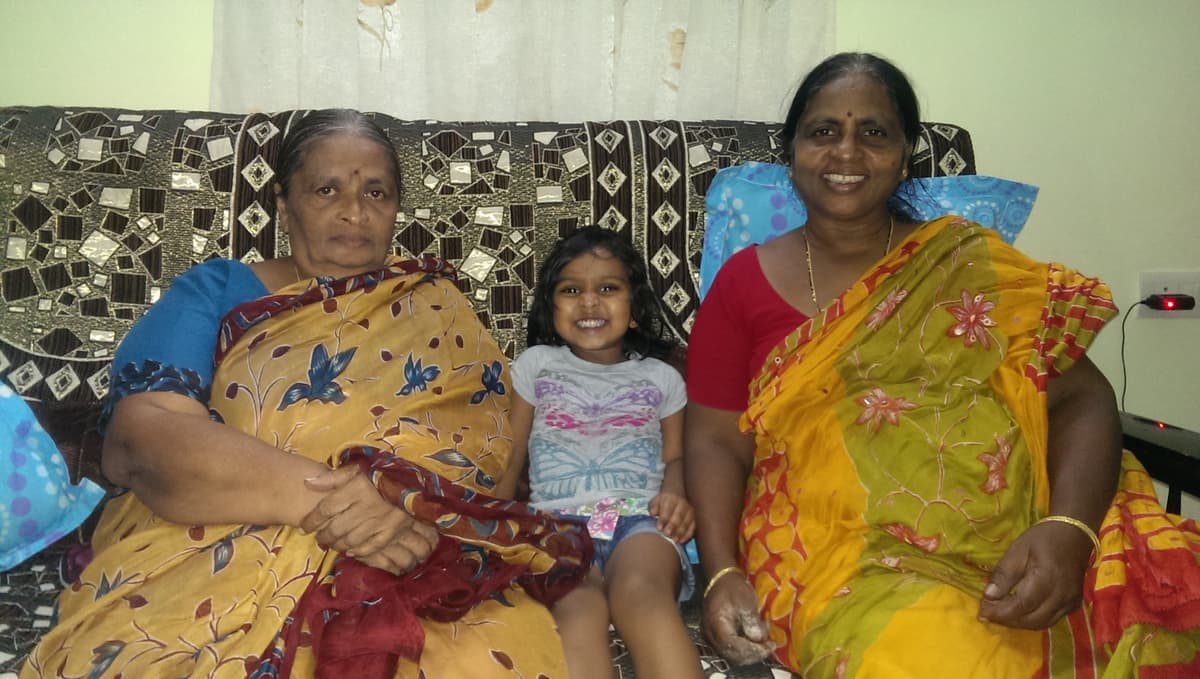
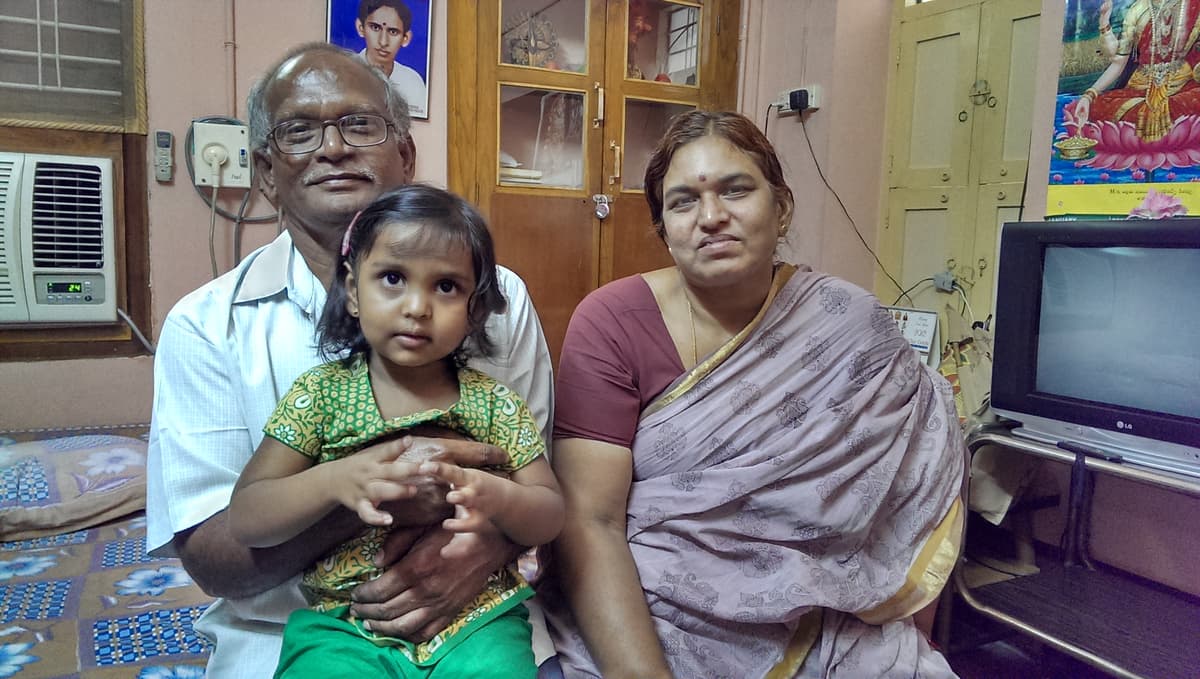
I spent countless summers in India, sitting beside my grandparents as they brought their childhoods to life through stories. Hours slipped by as we laughed about memories of schooling, teased old sibling rivalries, and lingered over moments that shaped who they became. Their words once painted the past in vivid color.
But slowly, those stories began to fade. Details softened, names slipped away, and the voices that once spoke endlessly of the past grew quieter. Conversations that had flowed so naturally became tangled in repeated questions, heavy pauses, and flashes of frustration that hung in the air.
This was my first encounter with cognitive decline — and I came to understand that it is far more than a medical condition. It is a deeply human experience, one that quietly erodes self-confidence, steals independence, and chips away at dignity, even as the love and memories remain.
Service That Has Shaped Me Since Childhood
This realization resonated deeply with experiences that had been shaping me for most of my life. Since elementary school, I had spent my summers, weekends, and school holidays volunteering alongside my mom. In those early years, my role was simple and joyful — leading art activities, singing Christmas carols, strumming the ukulele and piano, and reading stories meant to bring a little light into someone's day. Even then, I began to understand that people experience the world in different ways, especially when it comes to cognitive ability.
As I moved into middle and high school, my role grew more complex. I watched seniors struggle with rapidly changing technology, their frustration often mixed with a quiet sense of being left behind. Wanting to help, I organized a technology education group with my friends, leading hands-on sessions that helped build confidence with phones, laptops, and everyday digital tools.
What started as volunteering became something more meaningful — a commitment to restoring independence, preserving dignity, and strengthening human connection through patience and understanding. To support my grandparents and the many seniors I had worked with, I created Sage.
.jpg&w=1200&q=75)
.png&w=1200&q=75)
Empowering Seniors with SAGE
Sage empowers older adults and individuals with cognitive challenges to use technology independently, reducing the need for ongoing coaching. Its simple, intuitive, and non-threatening design makes engagement easy and confidence-building.
By addressing an often-overlooked need — supporting memory, attention, and emotional health — Sage enhances quality of life while reflecting a deep understanding of the challenges seniors face with technology. Most importantly, Sage delivers a positive impact, helping seniors maintain autonomy and dignity while providing families, caregivers, and healthcare professionals with actionable insights and health snapshots.
A Companion Without Judgement
Reflecting the approach I found most effective while volunteering, I designed SAGE as a friendly companion which engages seniors in a supportive, familiar way — rather than feeling judged. It tracks subtle changes in language, attention, memory, and processing speed through structured activities, creating a personalized cognitive profile.
These detailed health snapshots make it easier for doctors, caregivers, and family members to understand changes, support communication, and maintain meaningful connections — helping seniors stay independent, confident, and engaged every day.
AI That Cares
Sage uses artificial intelligence at its core, leveraging advanced AI to create empathetic, context-aware interactions, real-time language analysis, and dynamically generated cognitive activities. AI tracks subtle changes in speech patterns, vocabulary, and sentence structure, and adapts activities to each user's cognitive state.
Every brain game is generated in real time to provide variety and the right level of challenge. Rather than replacing human care, AI in Sage acts as a thoughtful support layer — highlighting patterns that might otherwise go unnoticed and presenting them as insights and health snapshots in clear, non-clinical visualizations.
The Road Ahead
The roadmap for SAGE focuses on evolving the platform into a fully functional, user-friendly application designed to support cognitive engagement and monitoring. The next phase includes refining the user interface, expanding and validating brain game content, and enhancing adaptive difficulty and progress tracking features.
Future milestones involve pilot testing within community day programs and senior living communities — both independent and assisted living — incorporating user and clinician feedback, and strengthening data security and accessibility.
With these foundations in place, the long-term goal is to apply for grant funding to support full product development, broader deployment, and partnerships that will bring SAGE to scale as a sustainable, evidence-informed cognitive wellness tool.
Questions From Our Community
How does Sage know whether an answer is truly correct versus a lucky guess?
What do the accuracy percentages really tell us about how our brain is working?
Does Sage track changes over time, and can it show improvement or decline?
How does Sage adjust to different ability levels or cognitive strengths?
Are some brain games better for memory than others, and why?
How long does the information stay meaningful if we don't use it regularly?
Can the results help us understand everyday thinking, not just the game itself?
Let's Get Smart, Together
Experience SAGE first hand. Join us in supporting cognitive wellness, preserving dignity, and strengthening connection.
Get Started